
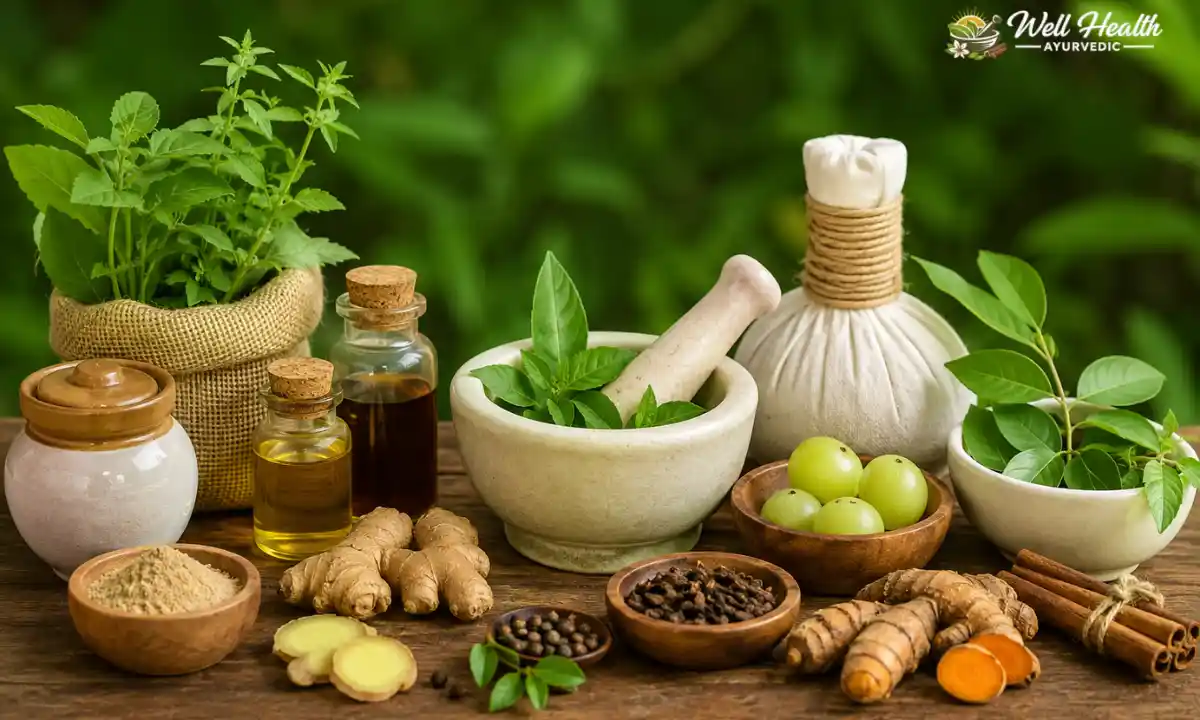
The use of Ayurvedic medicine to treat period pains has existed in India for centuries in order to assist women in dealing with their menstrual cramps naturally. According to Ayurveda, menstrual cramps can mostly be attributed to the presence of imbalance of Vata Dosha, which causes muscle spasms, irregular blood circulation, and pain in the abdomen area. Through the application of specific herbs, nutritious diet, warmth treatment, and lifestyle adjustment, Ayurveda strives to alleviate the pain as well as enhancing the menstrual health.
Unlike most forms of medicines that relieve pains momentarily, Ayurvedic treatment aims at addressing the problem that causes menstrual pain. Nevertheless, persistent period pain is to be diagnosed by medical practitioners due to the possible existence of other ailments such as endometriosis and fibroids.
What is Period Pain?
Period pain, medically known as dysmenorrhea, refers to cramping pain in the lower abdomen that occurs before or during menstruation. Some women experience mild discomfort, while others have severe pain that interferes with daily activities.
Common symptoms include:
- Lower abdominal cramps
- Back pain
- Pain in the thighs
- Nausea
- Headache
- Fatigue
- Diarrhea or constipation
- Bloating
How Ayurveda Explains Period Pain?
According to Ayurveda, menstruation is controlled mainly by Apana Vata, a subtype of Vata Dosha responsible for downward movement in the body.
When Apana Vata becomes imbalanced due to stress, unhealthy eating, lack of sleep, excessive exercise, or poor digestion, menstrual flow may become painful or irregular.
Ayurvedic treatment therefore focuses on:
- Balancing Vata Dosha
- Improving digestion (Agni)
- Reducing inflammation
- Relaxing uterine muscles
- Supporting hormonal balance
- Promoting healthy menstrual flow
Best Ayurvedic Medicines for Period Pain
1. Ashoka (Saraca indica)
Ashoka is one of the most well-known Ayurvedic herbs for women’s reproductive health.
Benefits
- Supports healthy menstrual flow
- Helps reduce menstrual cramps
- May help with heavy bleeding
- Supports uterine health
2. Shatavari (Asparagus racemosus)
Shatavari is considered one of Ayurveda’s primary herbs for female wellness.
Benefits
- Helps maintain hormonal balance
- Supports reproductive health
- May ease menstrual discomfort
- Helps reduce fatigue during periods
3. Dashmool
Dashmool is a traditional Ayurvedic formulation made from ten medicinal roots.
Benefits
- May reduce inflammation
- Supports muscle relaxation
- Helps relieve lower back pain
- Promotes recovery during menstruation
4. Aloe Vera
Fresh Aloe Vera juice is traditionally used in Ayurveda to support menstrual health.
Benefits
- Supports digestion
- May help reduce bloating
- Helps maintain hormonal balance
- Provides hydration
5. Ginger (Shunthi)
Ginger has long been used in both Ayurveda and modern medicine for menstrual discomfort.
Benefits
- Helps reduce menstrual cramps
- Supports healthy circulation
- May reduce nausea
- Helps improve digestion
6. Turmeric (Haridra)
Turmeric contains natural compounds with anti-inflammatory properties.
Benefits
- Helps reduce inflammation
- Supports immune health
- May relieve mild menstrual pain
- Promotes overall wellness
7. Fennel (Saunf)
Fennel seeds are commonly recommended for digestive comfort and menstrual support.
Benefits
- May reduce muscle spasms
- Helps with bloating
- Supports digestion
- Provides mild pain relief
8. Cinnamon (Dalchini)
Cinnamon is valued in Ayurveda for improving circulation and supporting digestion.
Benefits
- May ease menstrual cramps
- Supports healthy blood flow
- Helps reduce bloating
- Adds warmth to the body
Ayurvedic Home Remedies for Period Pain
Several traditional remedies may help provide comfort during menstruation.
| Remedy | Possible Benefits |
|---|---|
| Warm ginger tea | Helps relax muscles |
| Fennel seed water | May reduce cramps |
| Turmeric milk | Supports inflammation control |
| Warm sesame oil massage | Relaxes abdominal muscles |
| Hot water bag | Helps reduce muscle spasms |
| Warm cumin water | Supports digestion |
Ayurvedic Diet During Periods
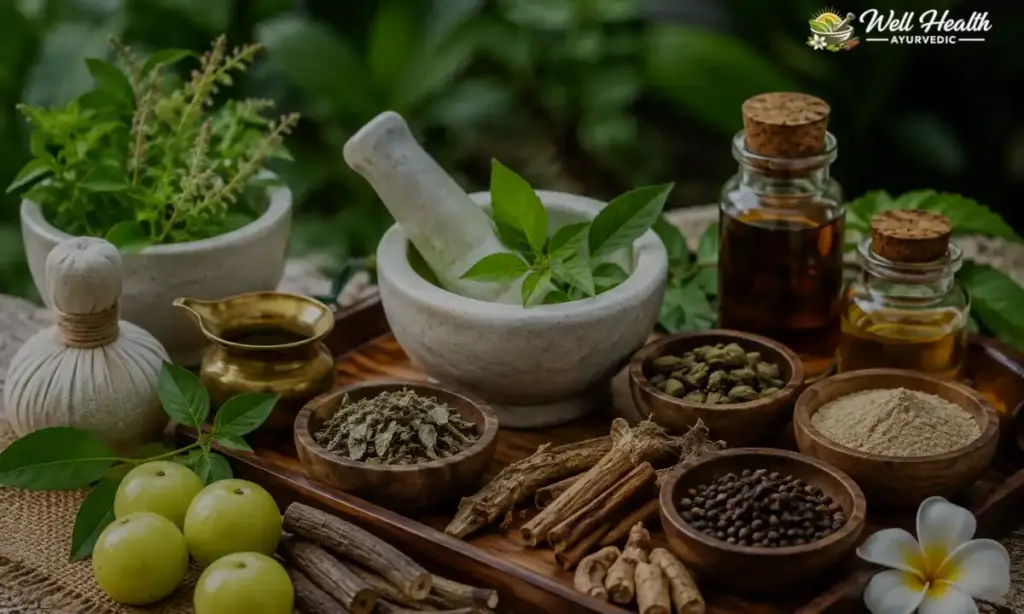
Eating warm and easily digestible foods is often recommended during menstruation.
Foods to Eat
- Warm khichdi
- Vegetable soups
- Moong dal
- Cooked vegetables
- Whole grains
- Dates
- Raisins
- Sesame seeds
- Ghee in moderation
- Herbal teas
Foods to Avoid
- Cold drinks
- Ice cream
- Processed foods
- Deep-fried snacks
- Excess sugar
- Very spicy foods
- Excess caffeine
- Alcohol
Lifestyle Tips Recommended in Ayurveda
Simple lifestyle habits can also help reduce menstrual discomfort.
- Sleep for 7–8 hours daily.
- Stay hydrated throughout the day.
- Practice gentle yoga.
- Avoid excessive physical exertion during painful days.
- Reduce stress through meditation.
- Eat meals on time.
- Keep the abdomen warm.
Best Yoga Poses for Period Pain
Gentle stretching may help reduce muscle tension.
- Child’s Pose (Balasana)
- Butterfly Pose (Baddha Konasana)
- Cat-Cow Stretch
- Supine Twist
- Legs-on-a-chair relaxation
- Deep breathing exercises
Avoid intense yoga if bleeding is heavy or pain is severe.
Ayurvedic Massage for Menstrual Cramps
Abhyanga (oil massage) using warm sesame oil or medicated Ayurvedic oils may help relax the abdominal and lower back muscles.
Benefits may include:
- Improved circulation
- Reduced muscle stiffness
- Relaxation
- Better sleep
- Reduced stress
Massage should be gentle and stopped if it increases discomfort.
Can Ayurvedic Medicine Cure Period Pain Permanently?
Ayurveda tries to enhance the overall reproductive health and can help decrease the number and intensity of period cramps through individual treatment. Still, Ayurveda does not provide the definite remedy for everyone who experiences period pain. If the cause is some underlying problem like endometriosis, adenomyosis, fibroids, or pelvic inflammatory disease, the condition needs proper diagnosis and treatment.
Safety Tips Before Using Ayurvedic Medicines
Although many Ayurvedic herbs have a long history of traditional use, they should be used responsibly.
- Consult a qualified Ayurvedic practitioner or doctor before starting herbal medicines.
- Avoid self-medicating during pregnancy.
- Inform your doctor about any existing medical conditions.
- Follow recommended dosage instructions.
- Purchase medicines from trusted manufacturers.
- Stop use if an allergic reaction occurs.
When to See a Doctor
Medical evaluation is important if you experience:
- Extremely severe pain
- Heavy bleeding requiring frequent pad changes
- Fever during menstruation
- Pain lasting beyond the menstrual period
- Irregular bleeding
- Pain that suddenly becomes much worse
- Difficulty carrying out normal daily activities
Conclusion
The use of Ayurvedic medicine for menstrual pain is an all-round way that can be done through the use of herbs, consumption of nutritious food, adopting healthy lifestyles, and management of stress. Herbs such as Ashoka, Shatavari, Dashmool, ginger, and turmeric have been used in order to reduce pain associated with menstrual periods, while warm food, hydration, and exercise can add more value to the treatment. However, it is important to note that although these methods might work for most women, menstrual pains should never be overlooked.
FAQs
Which Ayurvedic medicine is best for period pain?
Ashoka, Shatavari, Dashmool, and ginger are commonly used in Ayurveda to support menstrual health. The most appropriate option depends on the individual’s symptoms and should be chosen with professional guidance.
Is ginger good for menstrual cramps?
Yes. Ginger may help reduce menstrual pain and nausea and has anti-inflammatory properties that can provide relief for some women.
Can Shatavari help with painful periods?
Shatavari is traditionally used to support female reproductive health and may help improve hormonal balance and reduce menstrual discomfort in some individuals.
Is Ayurvedic treatment safe during periods?
Many Ayurvedic remedies are generally considered safe when used correctly, but they should be taken under the guidance of a qualified healthcare professional, especially if you have other medical conditions or take medications.
Can diet reduce menstrual pain?
Yes. Eating warm, nutritious, and easily digestible foods while avoiding excessive processed foods, cold beverages, and too much caffeine may help improve comfort during menstruation.
Also Read About: Ayurvedic Pain Relief: Natural Ways to Reduce Joint, Muscle, Back, and Body Pain