
Cervical pain, also referred to as neck pain or cervical spondylosis, is one of the most common conditions that affect individuals of all ages. Excessive working on computers, improper posture, lack of physical exercise, and aging among others are some of the main causes. Cervical pain is mainly attributed to the imbalance of Vata Dosha in the body and thus results into stiffness, inflammation, muscle spasms and pain in the neck region.
In treating cervical pain in Ayurveda, pain relief is not the major concern but rather the cause, restoration of body balance, lubrication of joints, and building up of muscles to prevent any future occurrence of the problem.
What Is Cervical Pain According to Ayurveda?
According to Ayurvedic principles, cervical pain is generally related to conditions such as Manya Graha and Greeva Stambha, where aggravated Vata affects the muscles, joints, ligaments, and nerves of the neck.
The condition may develop due to:
- Excessive sitting
- Poor sleeping posture
- Stress and anxiety
- Degenerative changes with aging
- Injury to the neck
- Lack of physical movement
- Weak muscles
Ayurveda considers proper digestion, balanced doshas, and healthy circulation essential for maintaining joint health.
Common Symptoms of Cervical Pain
People suffering from cervical pain may experience:
- Persistent neck pain
- Stiffness in the neck
- Difficulty turning the head
- Pain spreading to shoulders
- Tingling sensation in arms
- Numbness in fingers
- Muscle spasms
- Headache starting from the neck
- Dizziness in some cases
- Reduced neck mobility
Causes of Cervical Pain
Several factors can contribute to cervical pain, including:
- Poor posture while using computers or mobile phones
- Degenerative cervical spondylosis
- Herniated cervical disc
- Muscle strain
- Sports injuries
- Sudden jerking movements
- Arthritis
- Osteoporosis
- Stress-induced muscle tightness
- Long-distance driving
Best Ayurvedic Medicine for Cervical Pain
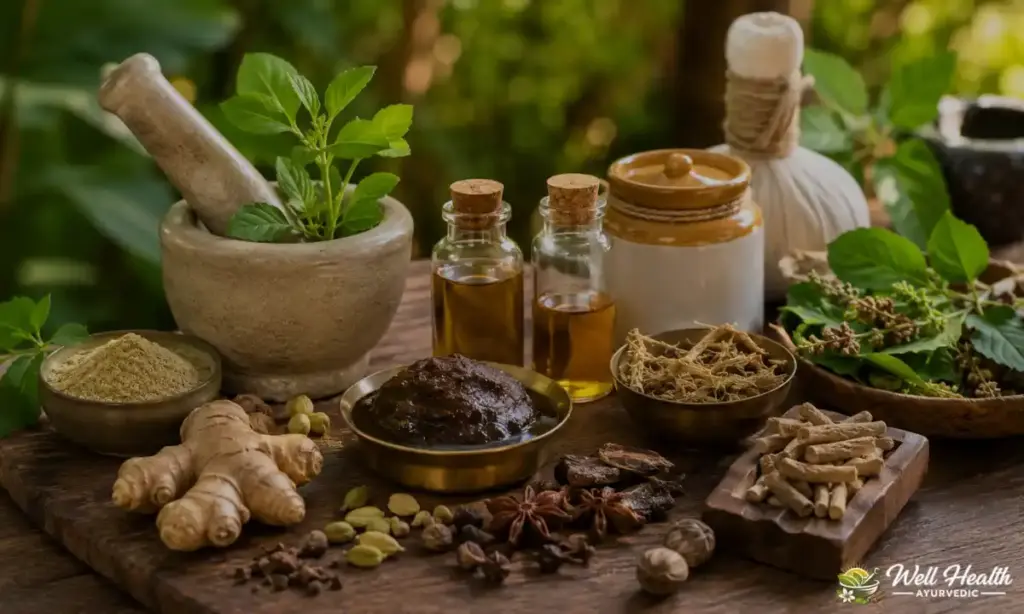
Several Ayurvedic formulations are traditionally used under the supervision of a qualified Ayurvedic physician.
1. Yograj Guggulu
Yograj Guggulu is one of the most commonly recommended Ayurvedic formulations for joint and muscle disorders. It helps reduce inflammation, stiffness, and pain while supporting healthy joint function.
Benefits
- Reduces neck stiffness
- Supports joint flexibility
- Improves mobility
- Helps balance aggravated Vata
2. Mahayograj Guggulu
This classical formulation is often used in chronic musculoskeletal disorders. It contains numerous herbs and minerals that support bone and nerve health.
Benefits
- Helps relieve chronic cervical pain
- Improves nerve strength
- Reduces inflammation
- Supports healthy joints
3. Simhanad Guggulu
Simhanad Guggulu is traditionally used for inflammatory joint disorders.
Benefits
- Removes accumulated toxins
- Reduces swelling
- Improves flexibility
- Supports healthy joints
4. Rasna Saptak Kwath
This herbal decoction is widely used for pain caused by Vata imbalance.
Benefits
- Relieves stiffness
- Improves circulation
- Reduces pain naturally
- Supports muscle recovery
5. Dashmool Kwath
Dashmool consists of ten medicinal roots known for their anti-inflammatory properties.
Benefits
- Relaxes muscles
- Reduces inflammation
- Improves recovery
- Supports nerve health
6. Ashwagandha
Ashwagandha is one of Ayurveda’s best-known rejuvenating herbs.
Benefits
- Strengthens muscles
- Reduces stress
- Supports nerve health
- Improves recovery from chronic pain
7. Shallaki (Boswellia)
Shallaki is widely used for managing inflammatory conditions affecting joints.
Benefits
- Reduces joint inflammation
- Supports cartilage health
- Improves mobility
- Helps relieve stiffness
8. Nirgundi
Nirgundi leaves and oil are commonly used externally for pain relief.
Benefits
- Relieves muscle spasms
- Reduces swelling
- Improves flexibility
- Supports faster recovery
Ayurvedic Oils for Cervical Pain
Several medicated oils are traditionally used during massage therapy.
| Ayurvedic Oil | Traditional Uses |
|---|---|
| Mahanarayana Taila | Muscle stiffness and neck pain |
| Kottamchukkadi Taila | Pain and inflammation |
| Dhanwantharam Taila | Muscle strengthening |
| Bala Ashwagandhadi Taila | Nerve nourishment |
| Sahacharadi Taila | Joint and muscle support |
Panchakarma Treatments for Cervical Pain
Ayurvedic Panchakarma therapies may be recommended depending on the patient’s condition.
Abhyanga (Oil Massage)
Warm medicated oil massage improves blood circulation, relaxes muscles, and reduces stiffness.
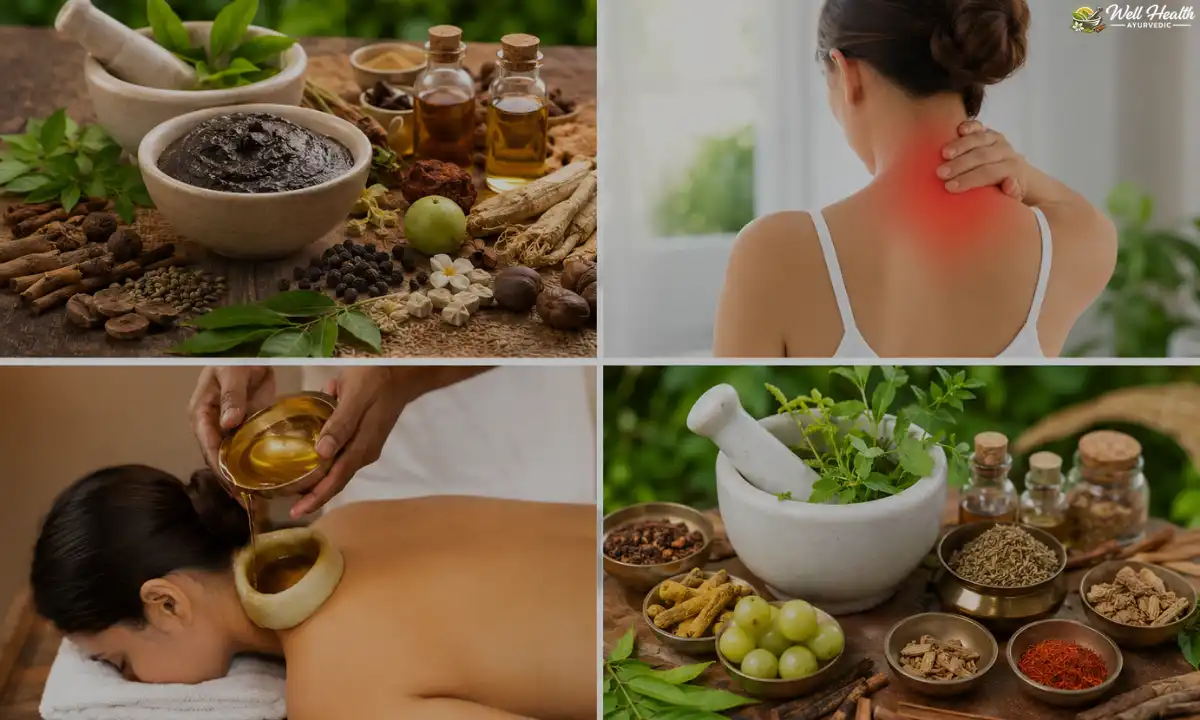
Greeva Basti
Warm herbal oil is retained over the neck using a dough ring for a specific duration. This therapy helps nourish cervical joints and relax muscles.
Pizhichil
Warm medicated oil is continuously poured over the body while gentle massage is performed.
Patra Pinda Sweda
Herbal leaves are heated in medicinal oil and applied as warm poultices to relieve pain and muscle tightness.
Nadi Sweda
Localized steam therapy helps reduce stiffness and improve flexibility.
Best Herbs for Cervical Pain
| Herb | Benefits |
|---|---|
| Ashwagandha | Muscle strengthening |
| Shallaki | Reduces inflammation |
| Guggulu | Supports joints |
| Rasna | Pain relief |
| Nirgundi | Muscle relaxation |
| Dashmool | Reduces swelling |
| Turmeric | Natural anti-inflammatory |
| Ginger | Improves circulation |
Home Remedies for Cervical Pain
Several simple remedies may help reduce mild discomfort.
- Apply a warm compress to the neck.
- Perform gentle neck stretches.
- Maintain proper sitting posture.
- Use an ergonomic chair.
- Sleep with a supportive pillow.
- Drink adequate water.
- Avoid lifting heavy objects.
- Practice stress management techniques.
Ayurvedic Diet for Cervical Pain
Diet plays an important role in balancing Vata.
Foods to Include
- Warm cooked vegetables
- Ghee in moderation
- Whole grains
- Fresh fruits
- Turmeric milk
- Ginger tea
- Sesame seeds
- Almonds
- Lentils
- Seasonal vegetables
Foods to Avoid
- Cold beverages
- Processed foods
- Deep-fried foods
- Excess sugar
- Carbonated drinks
- Excess caffeine
- Frozen foods
- Very dry foods
Yoga for Cervical Pain
Gentle yoga may help improve flexibility and reduce stiffness.
- Bhujangasana
- Makarasana
- Tadasana
- Marjariasana
- Balasana
- Gomukhasana
- Shavasana
Always perform yoga under expert guidance if pain is severe.
Lifestyle Tips to Prevent Cervical Pain
- Maintain good posture.
- Take breaks every 30–45 minutes while working.
- Keep computer screens at eye level.
- Avoid prolonged mobile phone use.
- Exercise regularly.
- Sleep on a firm mattress.
- Manage stress effectively.
- Maintain a healthy body weight.
Can Ayurveda Cure Cervical Pain?
Ayurveda aims to manage cervical pain by addressing the underlying imbalance rather than merely suppressing symptoms. Many individuals experience improvement through a combination of herbal medicines, Panchakarma therapies, proper nutrition, posture correction, and regular exercise. However, severe conditions such as significant nerve compression or spinal injury may require evaluation and treatment by a qualified medical specialist.
When to Consult a Doctor
Seek immediate medical attention if you experience:
- Severe neck pain after an accident
- Progressive numbness or weakness in the arms
- Loss of bladder or bowel control
- High fever with neck stiffness
- Persistent pain lasting several weeks despite treatment
- Difficulty walking or maintaining balance
Conclusion
Ayurveda offers a holistic approach to managing cervical pain through herbal medicines, therapeutic oils, Panchakarma procedures, balanced nutrition, yoga, and healthy lifestyle practices. Instead of focusing solely on temporary pain relief, Ayurvedic care aims to improve joint function, nourish muscles and nerves, restore Vata balance, and reduce the likelihood of recurring symptoms. For the best results, treatment should always be tailored and supervised by a qualified Ayurvedic practitioner, especially in moderate to severe cases.
Frequently Asked Questions (FAQs)
Is Ayurvedic medicine effective for cervical pain?
Ayurvedic treatment may help reduce pain, stiffness, and inflammation while supporting long-term joint health when used under professional guidance.
Which Ayurvedic herb is best for cervical pain?
Ashwagandha, Shallaki, Guggulu, Rasna, and Nirgundi are among the most commonly used herbs for cervical discomfort.
Can Panchakarma help cervical spondylosis?
Yes, therapies such as Greeva Basti, Abhyanga, and Nadi Sweda are traditionally used to relieve stiffness and improve neck mobility.
How long does Ayurvedic treatment take?
The duration varies depending on the severity of the condition, age, lifestyle, and overall health. Chronic cases generally require longer treatment.
Is yoga beneficial for cervical pain?
Gentle yoga, stretching, and posture correction can improve flexibility and reduce muscle tension when performed correctly.
Also Read About: Joint Pain Oil Ayurvedic: Benefits, Ingredients, Uses, Side Effects and Complete Guide