
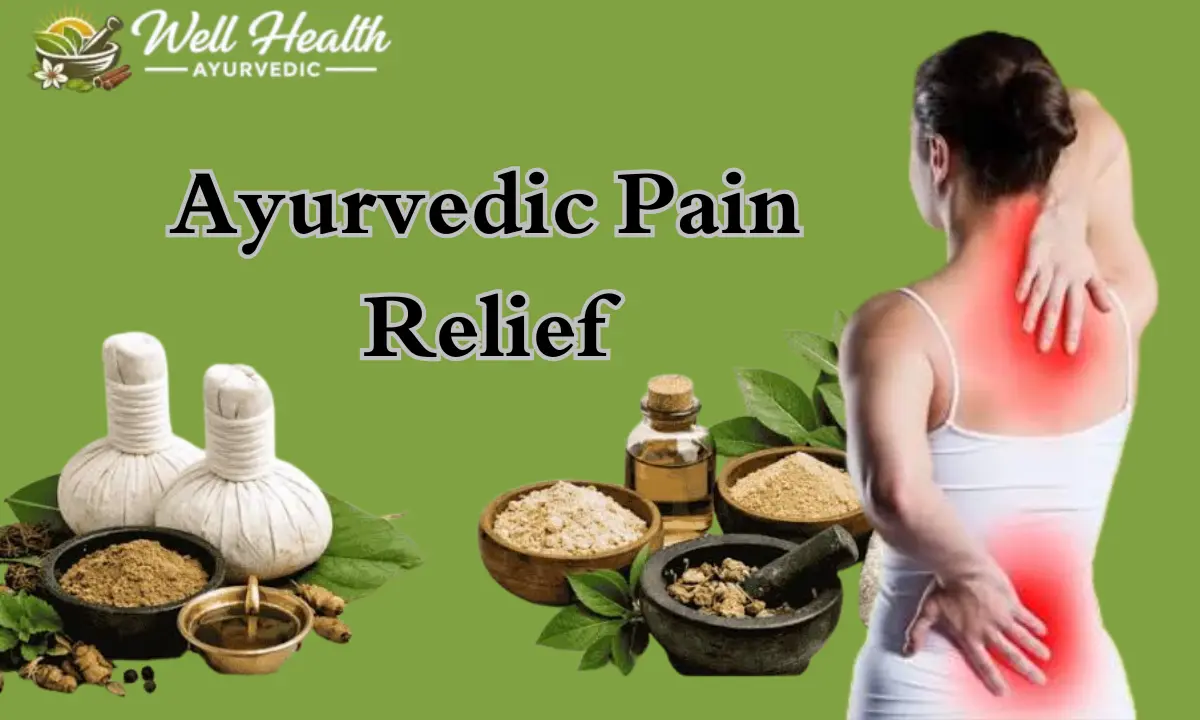
Pain is among the most prevalent health problems that affect people of all age groups. Be it joint pain, back pain, muscle pain, neck pain, or arthritis, chronic pain can get in the way of your day-to-day activities. The Ayurveda medicine of India, which is considered a traditional method of treatment in the country, emphasizes diagnosing the underlying cause of pain rather than just alleviating the symptoms of the problem. This natural remedy for pain includes herbal treatments, oil therapies, dietary and lifestyle modifications, yoga, and cleansing of the body.
The article provides an insight into how Ayurvedic pain relief works, what are the best herbs in Ayurveda, popular pain therapies, and dietary advice.
What Is Ayurvedic Pain Relief?
Pain management through Ayurvedic medicine is holistic in nature since it involves restoration of harmony between the three doshas of the human body, namely Vata, Pitta, and Kapha. According to Ayurveda, nearly all the cases of chronic pain result from the aggravation of Vata dosha in the body that involves the nerves, joints, muscles, and movements in general.
Ayurveda not only treats pain but helps in reducing inflammation, improving digestion, detoxifying the body, nourishing tissues and muscles.
How Ayurveda Explains Pain
According to Ayurvedic principles, pain develops due to several underlying factors, including:
- Increased Vata dosha
- Accumulation of toxins (Ama)
- Poor digestion
- Weak circulation
- Joint degeneration
- Muscle stiffness
- Chronic inflammation
- Stress and anxiety
Identifying the root imbalance helps determine the most suitable Ayurvedic treatment.
Common Conditions Treated with Ayurvedic Pain Relief
Ayurvedic therapies may help manage various painful conditions, including:
- Arthritis
- Osteoarthritis
- Rheumatoid arthritis
- Lower back pain
- Neck pain
- Knee pain
- Shoulder pain
- Sciatica
- Muscle pain
- Joint stiffness
- Cervical spondylosis
- Frozen shoulder
- Sports injuries
- Tendon inflammation
Best Ayurvedic Herbs for Pain Relief
Several herbs have traditionally been used in Ayurveda for reducing pain and inflammation.
| Herb | Traditional Benefits |
|---|---|
| Ashwagandha | Supports muscles, reduces stress, improves strength |
| Shallaki (Boswellia) | Helps maintain joint comfort and flexibility |
| Guggulu | Traditionally used for joint health and inflammation |
| Turmeric (Haridra) | Rich in natural anti-inflammatory compounds |
| Nirgundi | Commonly used for muscle and joint discomfort |
| Rasna | Supports mobility and reduces stiffness |
| Ginger (Sunthi) | Improves circulation and eases inflammation |
| Garlic | Supports blood circulation and joint health |
Popular Ayurvedic Oils for Pain Relief
Massage therapy is an important part of Ayurvedic treatment.
Some commonly used oils include:
| Ayurvedic Oil | Traditional Uses |
|---|---|
| Mahanarayana Taila | Joint pain and muscle stiffness |
| Dhanwantharam Taila | Muscle recovery and mobility |
| Kottamchukkadi Taila | Swelling and sports injuries |
| Sahacharadi Taila | Sciatica and lower back pain |
| Bala Ashwagandha Oil | Muscle weakness and nerve support |
Ayurvedic Therapies for Pain Management
Ayurvedic practitioners may recommend specialized therapies depending on the condition.
Abhyanga
A warm herbal oil massage that improves blood circulation, relaxes muscles, and reduces stiffness.
Kati Basti
Warm medicated oil is retained over the lower back to help relieve chronic back pain.
Janu Basti
A localized oil therapy focused on knee pain and joint stiffness.
Pizhichil
Warm herbal oil is continuously poured over the body while gentle massage is performed.
Patra Pinda Sweda
Heated herbal leaf poultices are applied to painful muscles and joints.
Panchakarma
A detoxification therapy that may be recommended for chronic inflammatory conditions under professional supervision.
Foods That Support Ayurvedic Pain Relief
Diet plays an essential role in reducing pain naturally.
Recommended foods include:
- Warm soups
- Cooked vegetables
- Turmeric milk
- Ginger tea
- Sesame seeds
- Garlic
- Ghee in moderation
- Whole grains
- Fresh fruits
- Lentils
- Almonds
- Walnuts
Staying hydrated also supports healthy joints.
Foods to Avoid
Certain foods may worsen inflammation or aggravate Vata imbalance.
Limit or avoid:
- Deep-fried foods
- Processed snacks
- Refined sugar
- Cold beverages
- Excessive caffeine
- Alcohol
- Packaged foods
- Excessively spicy meals
Yoga for Natural Pain Relief
Gentle yoga may improve flexibility and reduce stiffness.
Helpful poses include:
- Cat-Cow Pose
- Child’s Pose
- Cobra Pose
- Mountain Pose
- Bridge Pose
- Triangle Pose
- Gentle spinal twists
Yoga should be practiced according to individual ability and medical advice.
Lifestyle Tips for Ayurvedic Pain Relief
Daily habits can significantly influence pain management.
- Maintain regular sleep.
- Perform gentle stretching every morning.
- Massage painful areas with warm herbal oil.
- Avoid sitting for long periods.
- Stay physically active.
- Maintain a healthy body weight.
- Practice meditation or deep breathing.
- Eat freshly prepared meals.
- Stay hydrated throughout the day.
Benefits of Ayurvedic Pain Relief
Many people choose Ayurveda because it focuses on long-term wellness rather than temporary symptom relief.
Potential benefits include:
- Supports joint flexibility
- Helps reduce muscle stiffness
- Improves mobility
- Promotes healthy circulation
- Supports natural healing
- Encourages better posture
- May reduce chronic inflammation
- Improves overall quality of life
Who Can Benefit from Ayurvedic Pain Relief?
Ayurvedic care may be suitable for:
- Older adults with joint discomfort
- Office workers with neck or back pain
- Athletes recovering from muscle soreness
- Individuals with chronic arthritis
- People experiencing stiffness after long working hours
- Those seeking complementary approaches alongside conventional care
Safety and Precautions
Although Ayurvedic treatments are natural, they should be used responsibly.
- Consult a qualified Ayurvedic practitioner before starting herbal medicines.
- Inform your healthcare provider about any supplements you take.
- Pregnant or breastfeeding women should seek medical advice before using herbs.
- Individuals with chronic illnesses should avoid self-medication.
- Persistent or severe pain requires proper medical evaluation.
When Should You See a Doctor?
Seek immediate medical attention if pain is accompanied by:
- High fever
- Severe swelling
- Sudden numbness
- Loss of bladder or bowel control
- Difficulty walking
- Severe injury
- Persistent pain lasting several weeks
Conclusion
Ayurvedic treatment for pain is a holistic therapy which incorporates herbal remedies, massage therapy, nutritious diet, yoga and life style changes to enable the body to heal itself. Unlike conventional treatments, where there is just an effort to reduce pain, Ayurveda treatment works towards improving joint movement, decreasing inflammation, increasing mobility and overall well-being of a person. Even though Ayurvedic treatments can benefit many individuals, one must consult a doctor for their severe and consistent pain issues.
Frequently Asked Questions (FAQs)
Is Ayurvedic pain relief effective for arthritis?
Ayurvedic therapies may help improve joint comfort, flexibility, and mobility when combined with appropriate medical care and lifestyle changes.
Can Ayurveda help with chronic back pain?
Many Ayurvedic treatments, including herbal oil massage and Kati Basti, are traditionally used to support people with chronic back discomfort.
Which Ayurvedic herb is most commonly used for pain relief?
Turmeric, Shallaki, Ashwagandha, Guggulu, and Nirgundi are among the most commonly used herbs in Ayurvedic practice.
Are Ayurvedic pain relief treatments safe?
When prescribed by a qualified practitioner and used appropriately, Ayurvedic therapies are generally considered safe. Self-medication with herbal products is not recommended.
How long does Ayurvedic treatment take to show results?
The duration varies depending on the individual’s condition, overall health, lifestyle, and consistency with treatment.
Also Read About: Ayurvedic Medicine for Cervical Pain: Best Herbs, Treatments, Home Remedies, and Lifestyle Tips