
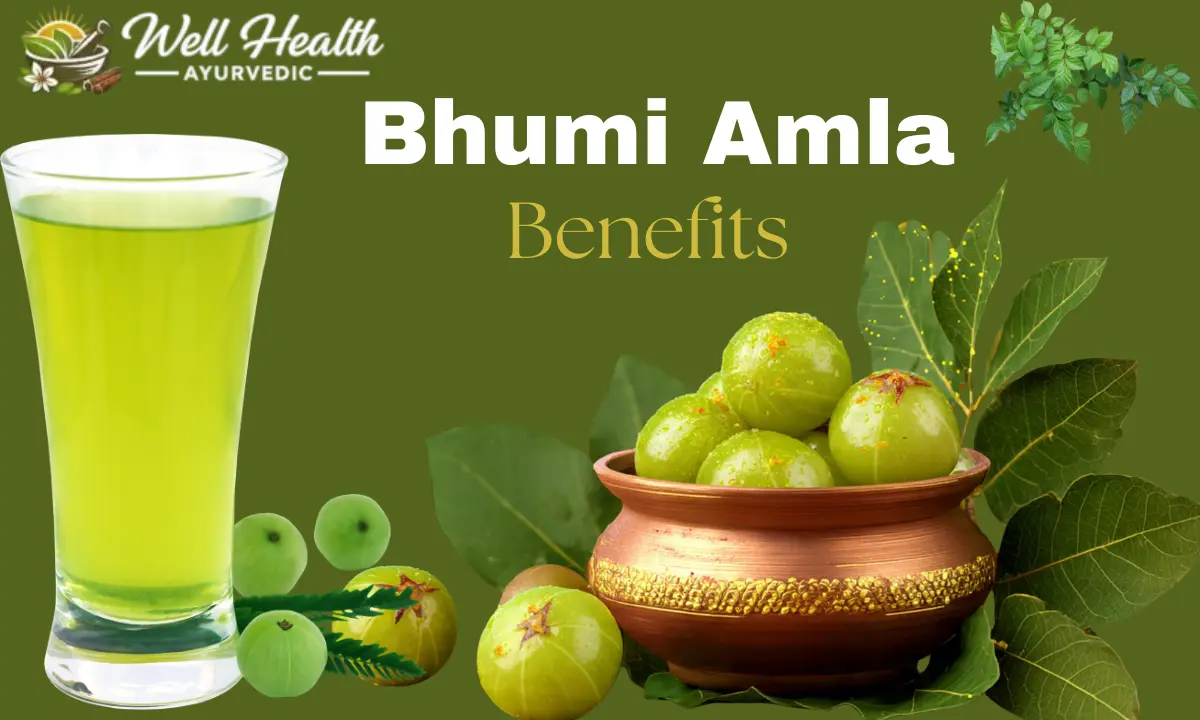
Bhumi Amla is a small shrub which is highly respected within the traditional practice of Ayurveda medicine. The scientific name of this medicinal shrub is Phyllanthus niruri and it is found in the tropics and sub-tropics. This shrub has earned the name “Stonebreaker Plant” due to its reputation in enhancing kidney function. All parts of this plant, from the leaves to the roots, have chemicals that provide medicinal value. Bhumi Amla is currently available in many forms such as leaf, powder, capsule, juice, and extract.
What is Bhumi Amla?
Bhumi Amla is a flowering shrub classified under the genus Phyllanthaceae. Though named similarly as the Indian Gooseberry (Emblica officinalis), it is distinct from the Indian Amla fruit tree. It is characterized by its small green berries that sprout under its leaves and is common in India, Sri Lanka, Southeast Asia, Africa, and South America.
The use of Bhumi Amla in traditional medicine has mainly been for treating problems relating to the liver, digestion, urinary system, and detoxification of the whole body. Modern science has also studied its antioxidant and anti-inflammatory qualities.
Bhumi Amla Nutritional Profile
Although Bhumi Amla is mainly valued for its medicinal compounds rather than calories or macronutrients, it contains several beneficial plant chemicals, including:
- Flavonoids
- Lignans
- Alkaloids
- Tannins
- Polyphenols
- Phyllanthin
- Hypophyllanthin
- Vitamin C (small amounts)
- Natural antioxidants
These bioactive compounds are believed to contribute to many of the herb’s potential health benefits.
Top Bhumi Amla Benefits
- Supports Liver Health
The other popular health benefit of Bhumi Amla is its use for maintaining proper liver function. It is known to be widely used in Ayurvedic medicine for liver support. It has been found that the antioxidant properties of Bhumi Amla help maintain proper liver function.
- May Help Maintain Kidney Health
The name of the herb Bhumi Amla is famously known as “Stonebreaker Plant.” The herb has traditionally been used for maintaining a healthy urinary tract system and also in minimizing the formation of kidney stones in some cases. It may help in preventing the formation of crystals.
- Rich in Antioxidants
This is because there are many antioxidants found in the herb which neutralize any damaging free radicals within the body. This will lead to decreased oxidative stress and promote healthy aging.
- Supports Healthy Digestion
Bhumi Amla has traditionally been used to improve digestion. It may help reduce occasional indigestion, bloating, and mild stomach discomfort while promoting better digestive function.
- May Support Healthy Blood Sugar Levels
Early research indicates that consumption of Bhumi Amla can be beneficial in sustaining blood glucose levels within a normal range along with a good diet and exercise regimen, but it must not be taken as an alternative for prescribed diabetic medicines.
- Promotes Urinary Tract Health
The herb has been traditionally used to support normal urinary function. It may help maintain a healthy urinary tract and encourage proper urine flow.
- May Support Immune Function
Its antioxidant and plant-based compounds may contribute to normal immune system function by helping the body respond to everyday oxidative stress.
- Possesses Anti-Inflammatory Properties
Several natural compounds found in Bhumi Amla have shown anti-inflammatory effects in laboratory studies. These properties may help support the body’s normal inflammatory response.
- Supports Skin Health
Because of its antioxidant content, Bhumi Amla may contribute to healthy skin. Traditionally, herbal preparations containing Bhumi Amla have been used to maintain clear and healthy-looking skin.
- May Promote Healthy Hair
Ayurvedic practitioners often recommend Bhumi Amla as part of herbal hair care routines. It may help nourish the scalp and support stronger, healthier hair when used regularly.
Bhumi Amla Uses
Bhumi Amla is available in various forms, including:
- Fresh leaves
- Herbal juice
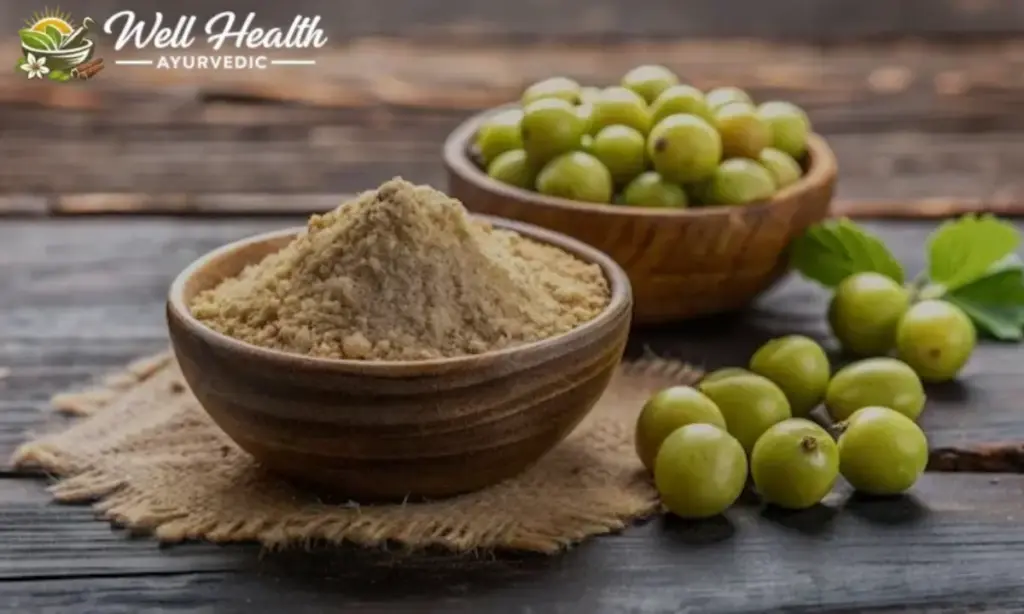
- Powder (Churna)
- Capsules
- Tablets
- Liquid extracts
- Herbal teas
Many people choose the form based on convenience and personal preference.
How to Consume Bhumi Amla?
Common ways to use Bhumi Amla include:
Fresh Juice
Fresh leaves are blended with water to prepare herbal juice.
Powder
The dried powder is commonly mixed with warm water or honey.
Capsules
Capsules provide a convenient and standardized dosage.
Herbal Tea
The dried herb can be steeped in hot water to prepare herbal tea.
Always follow the dosage instructions provided on the product label or consult a qualified healthcare professional before use.
Potential Side Effects of Bhumi Amla
Bhumi Amla is generally considered safe when consumed in recommended amounts. However, some individuals may experience:
- Mild stomach discomfort
- Nausea
- Loose stools
- Allergic reactions (rare)
- Possible interactions with medications for diabetes or blood pressure
Pregnant or breastfeeding women and individuals with chronic medical conditions should consult a healthcare professional before using Bhumi Amla supplements.
Who Should Avoid Bhumi Amla?
Bhumi Amla may not be suitable for:
- Pregnant women without medical advice
- Breastfeeding mothers
- Individuals taking blood sugar-lowering medications
- People taking blood pressure medications
- Individuals scheduled for surgery
- Those with known allergies to herbal supplements
Best Time to Take Bhumi Amla
Many Ayurvedic practitioners recommend taking Bhumi Amla in the morning or before meals. However, the ideal timing may vary depending on the formulation and individual health needs.
Bhumi Amla vs Indian Amla
| Feature | Bhumi Amla | Indian Amla |
|---|---|---|
| Scientific Name | Phyllanthus niruri | Emblica officinalis |
| Plant Type | Small medicinal herb | Medium-sized fruit tree |
| Main Use | Liver and kidney support | Rich source of Vitamin C |
| Fruit | Tiny fruits beneath leaves | Large edible green fruit |
| Ayurvedic Role | Detoxification and urinary support | Immunity and rejuvenation |
Scientific Research on Bhumi Amla
Researchers have studied Bhumi Amla for several potential health-supporting properties, including:
- Antioxidant activity
- Liver-supportive effects
- Kidney health support
- Antimicrobial properties
- Anti-inflammatory activity
While many laboratory and animal studies have shown promising results, larger human clinical trials are still needed to confirm these benefits.
Tips for Choosing a Good Bhumi Amla Supplement
When purchasing Bhumi Amla products, consider:
- Standardized herbal extracts
- Third-party quality testing
- Trusted manufacturers
- Clear ingredient labels
- No unnecessary additives or fillers
Storage Tips of Bhumi Amla
To preserve quality:
- Store in a cool, dry place.
- Keep away from direct sunlight.
- Close the container tightly after use.
- Keep out of reach of children.
Bhumi Amla Trivia
- Bhumi Amla is scientifically known as Phyllanthus niruri.
- It belongs to the Phyllanthaceae plant family.
- The name Bhumi Amla means “Amla of the Earth” because its small fruits resemble tiny gooseberries.
- Bhumi Amla is different from Indian Amla (Emblica officinalis), which is a fruit-bearing tree.
- It is commonly known around the world as the Stonebreaker Plant.
- The plant naturally grows in India, Sri Lanka, Nepal, Bangladesh, China, Brazil, Africa, and Southeast Asia.
- Bhumi Amla is a small annual herb that usually grows 20–60 cm (8–24 inches) tall.
- Tiny green fruits grow under the leaves, making the plant easy to identify.
- Every part of the plant—including the leaves, stems, roots, and fruits—has traditional medicinal uses.
- Bhumi Amla has been used in Ayurvedic medicine for centuries.
- It is also used in Traditional Chinese Medicine (TCM) and several South American herbal practices.
- The herb contains natural compounds such as phyllanthin, hypophyllanthin, flavonoids, lignans, and polyphenols.
Conclusion
Bhumi Amla is an Ayurvedic herb that is famous due to its medicinal benefits for the liver, kidneys, digestion system, urinary system, and general energy levels. The antioxidant nature and the natural ingredients present in the herb have contributed to its significance in herbal medication for many years. Even though research is still being conducted on this herb, it is wise to consider it as a complementing herb rather than replacing medical treatment.
Frequently Asked Questions
What is Bhumi Amla used for?
Bhumi Amla is traditionally used to support liver health, kidney function, digestion, urinary wellness, and overall antioxidant protection.
Can Bhumi Amla help with kidney stones?
Traditionally, Bhumi Amla has been used to support kidney health and reduce the risk of certain kidney stones, but more clinical research is needed.
Is Bhumi Amla the same as Indian Amla?
No. Bhumi Amla (Phyllanthus niruri) is a medicinal herb, while Indian Amla (Emblica officinalis) is a fruit-bearing tree.
Can I take Bhumi Amla daily?
Many people use it daily in recommended amounts, but long-term use should ideally be discussed with a healthcare professional.
Does Bhumi Amla have side effects?
Most people tolerate it well, although mild digestive discomfort or interactions with certain medications may occur.
Is Bhumi Amla good for the liver?
It is widely used in Ayurveda to support liver health, and scientific studies suggest it contains compounds that may help protect liver cells.
Also Read About: Ghee Benefits for Skin: 15 Amazing Ways Ghee Can Help You Achieve Healthy, Soft & Naturally Glowing Skin